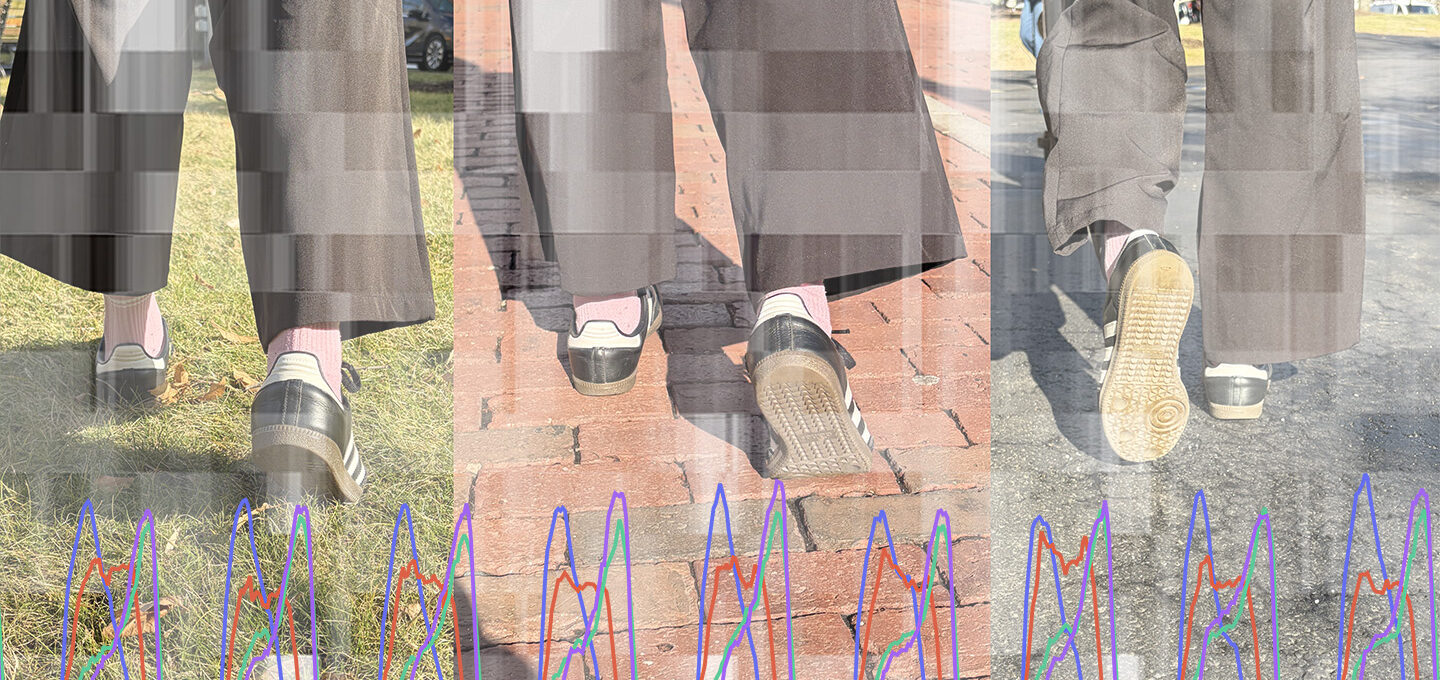
The GroundWalks project (formerly known as WalkSensePlace) leverages data from next generation shoe insole pressure sensors to better understand the grounds we walk on, to explore the human experience of walking in cities, and its impacts on human health and urban design.
The ordinary practitioners of the city walk – an elementary form of this experience of the city. Their story begins on ground level, with footsteps. Each unit has a qualitative character: a style of tactile apprehension and kinesthetic appropriation.
Walking is one of the primary forms of human locomotion and a well-established contributor to physical and mental health. Among many benefits, walking counteracts the effects of weight-promoting genes, eases joint pain, can curb cravings for sweets in stressful situations. Walking can help think better, feel better and sleep better, reduce the risk of depression, reduce the risk of heart disease, stroke, and diabetes.

Walking in cities specifically has gained renewed attention. Concepts such as Walkability (originally rooted in Jane Jacobs’ revolutionary work in urban studies in the 1960s) and WalkableCity have become central to public discourse on urban development and placemaking. “Walking is like the magic bullet. It is so health promoting, doesn’t require fancy equipment, and if people can incorporate it into their daily life, it becomes habitual” (Giles-Corti from Healthy Liveable Cities Lab). Walking in this context is viewed as an essential element of sustainable urban design.
Traditionally, walking has often been quantified through simplistic step counts, or an aggregated birds-eye view of pedestrian traces overlayed on city maps. In contrast, we conceptualize walking as a dynamic form of interaction between the human body and the idiverse ground conditions that humans walk on in urban environments .
We use wearable shoe insoles equipped with a 12 pressure-sensor zone fabric layer, accelerometer, gyroscope, magnetometer, battery, bluetooth module, and wireless charing coil. This streamlined, fully integrated design requires no external device or cable connections, and enables real-world data collection over extended periods without compromising walking comfort or step quality.
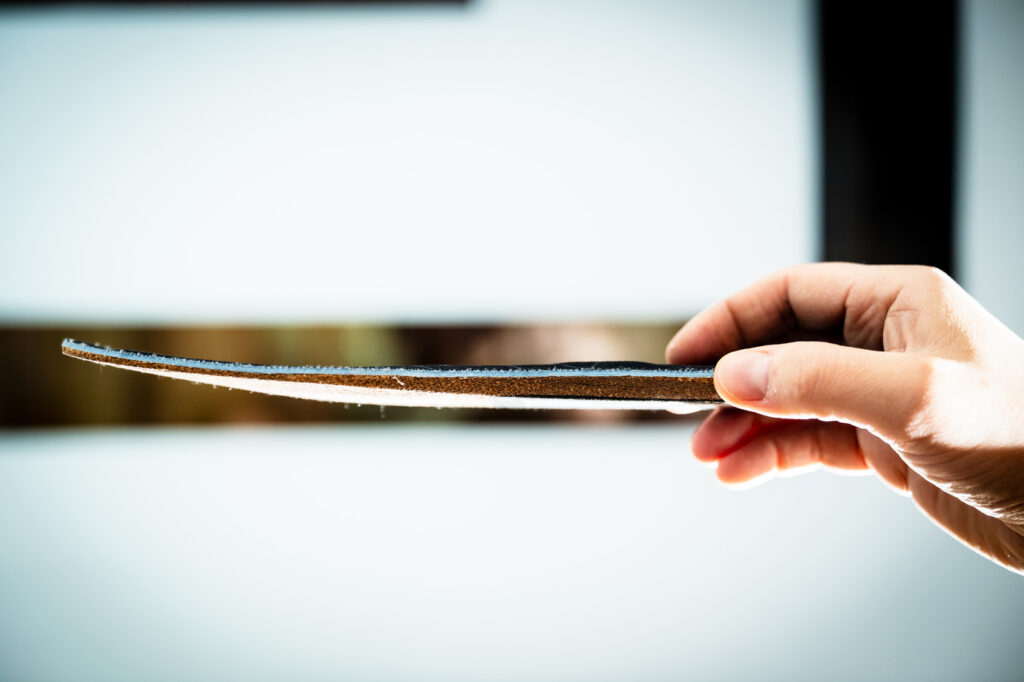
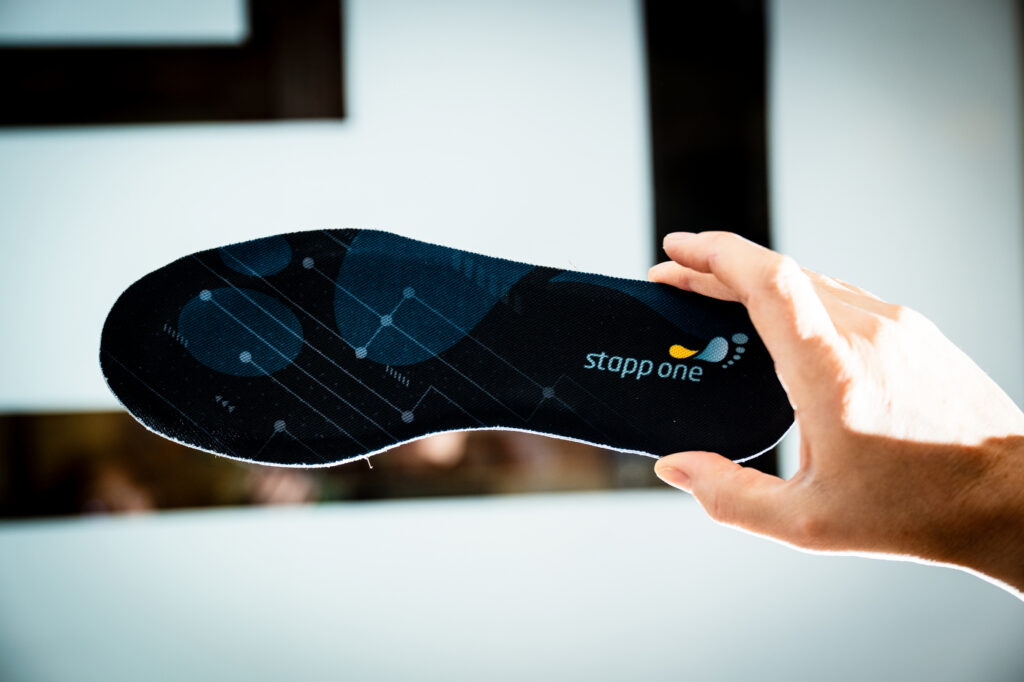

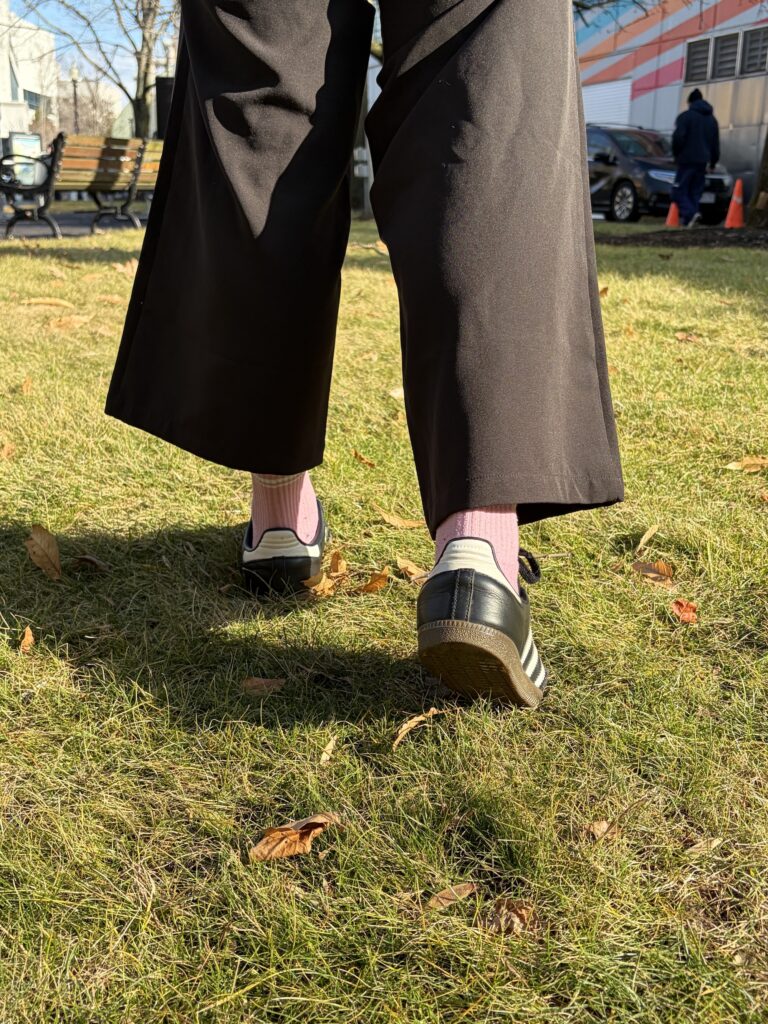
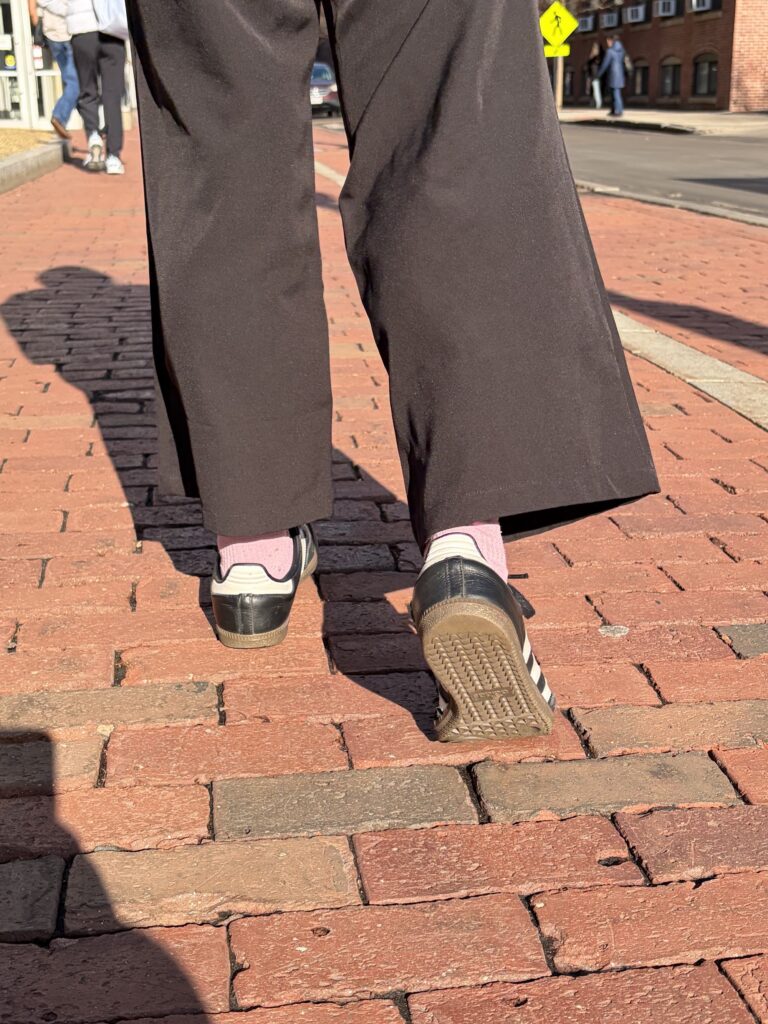
Different walking surfaces have distinctly different impacts on the biomechanics and individual wellbeing. Variations in hardness and unevenness can affect the body’s interaction with the ground, influencing musculoskeletal load and stability. While even surface conditions enhance accessibility, uneven surface conditions can engage stabilizing muscles in feet, ankles, legs, and core productively, improving coordination, flexibility, and balance, and potentially increasing calorie burn due to the greater effort required. These conditions also stimulate cognitive engagement and overall proprioception.

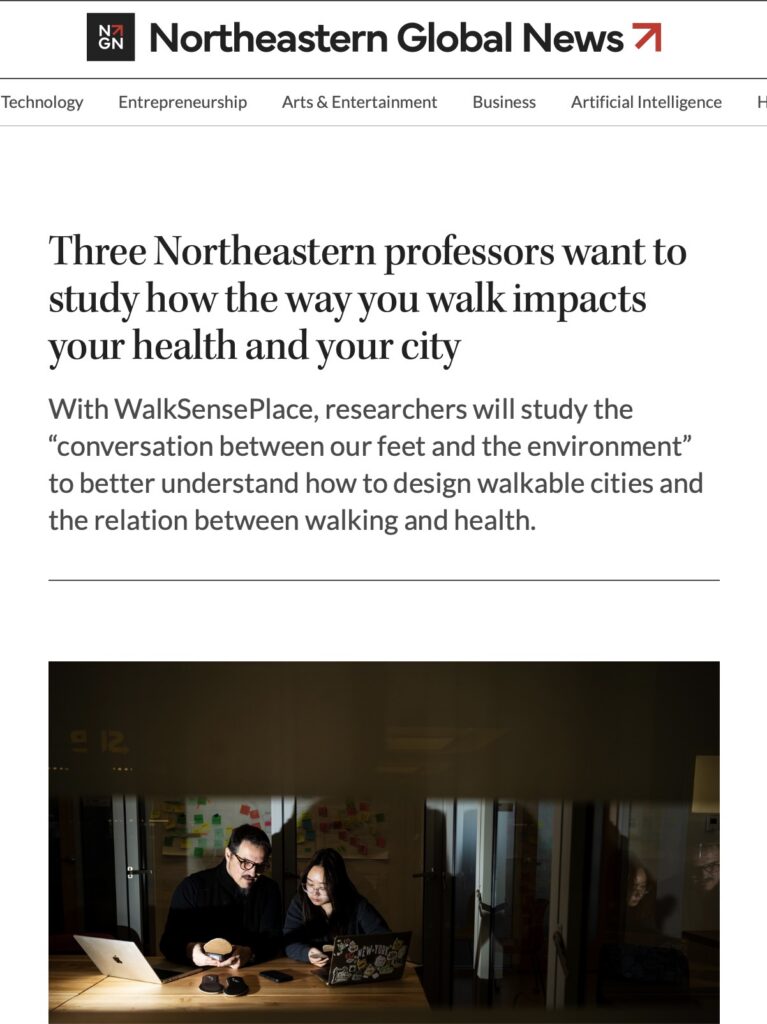
While insole sensors are typically used for rehabilitation and performance sports, we apply them in a new interdisciplinary framework to investigate walking as an embodied human experience situated in urban space. Data collected from the sensors, together with video documentation from the test walks, participant interviews, and urban datasets, is analyzed to generate new insights that connect the act of walking with urban design and health communication.
Team
Catherine Zhou, Samuel Greeman, Kristian Kloeckl (PI), Eric Folmar (PI), Amy Lu (PI); previous phases: Gabrielle Keller, Steven Frisch
Technology Partners
Stappone